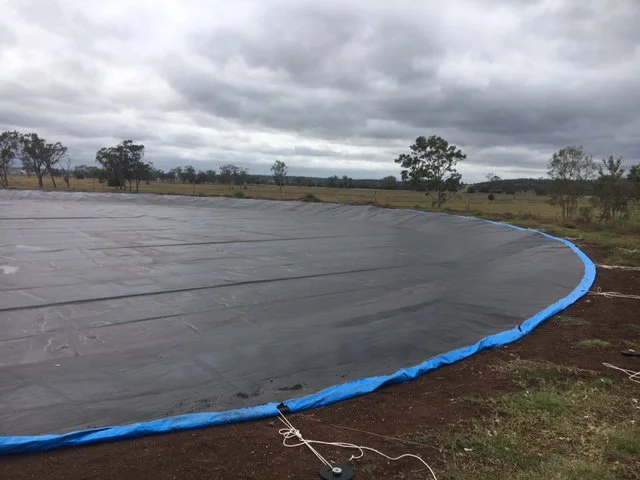
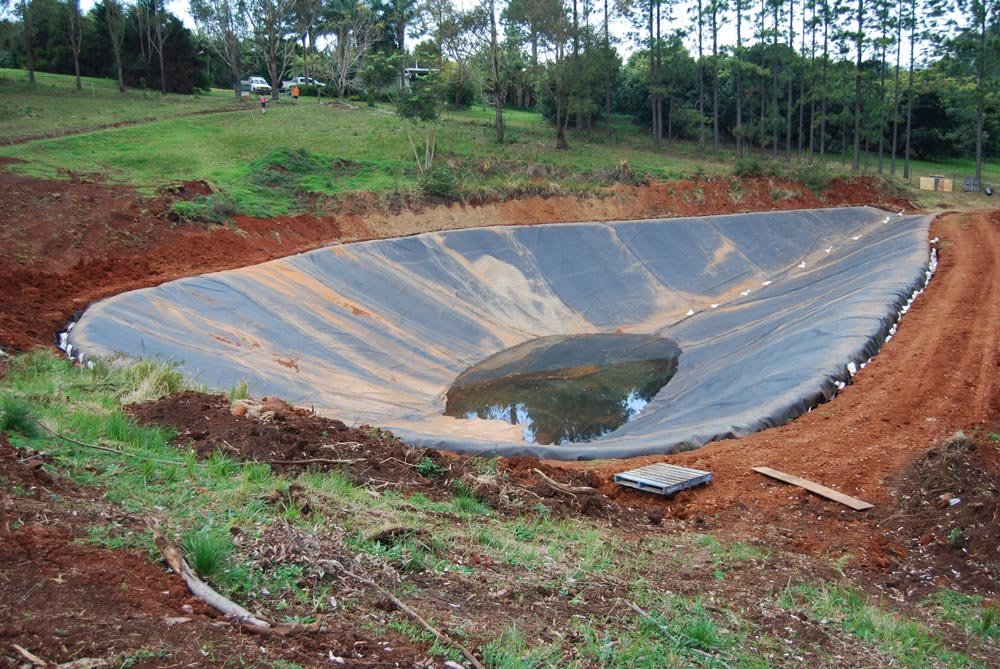
When seasons turn dry on the Darling Downs, every litre counts. Unlined farm dams can bleed water through seepage, crack in heat and slump after heavy rain. A well chosen liner stops the quiet losses, protects embankments and keeps storages reliable for stock, cropping and firefighting. If you are weighing up dam liners in Toowoomba, this guide explains how liners work, what to look for and where tarpaulins in Toowoomba fit in as day to day protection for feed, machinery and loads.
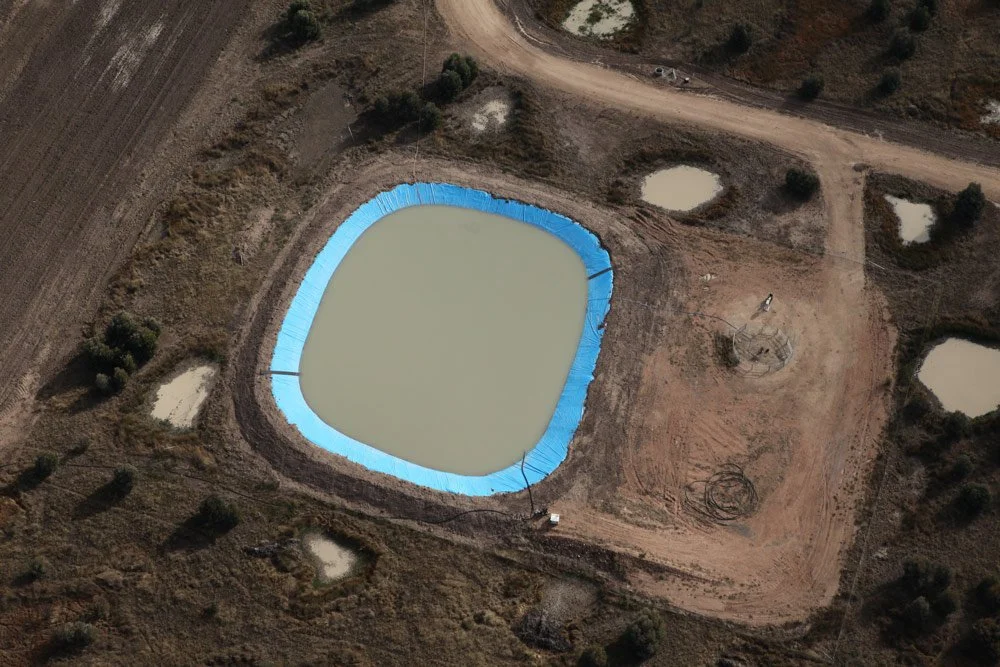
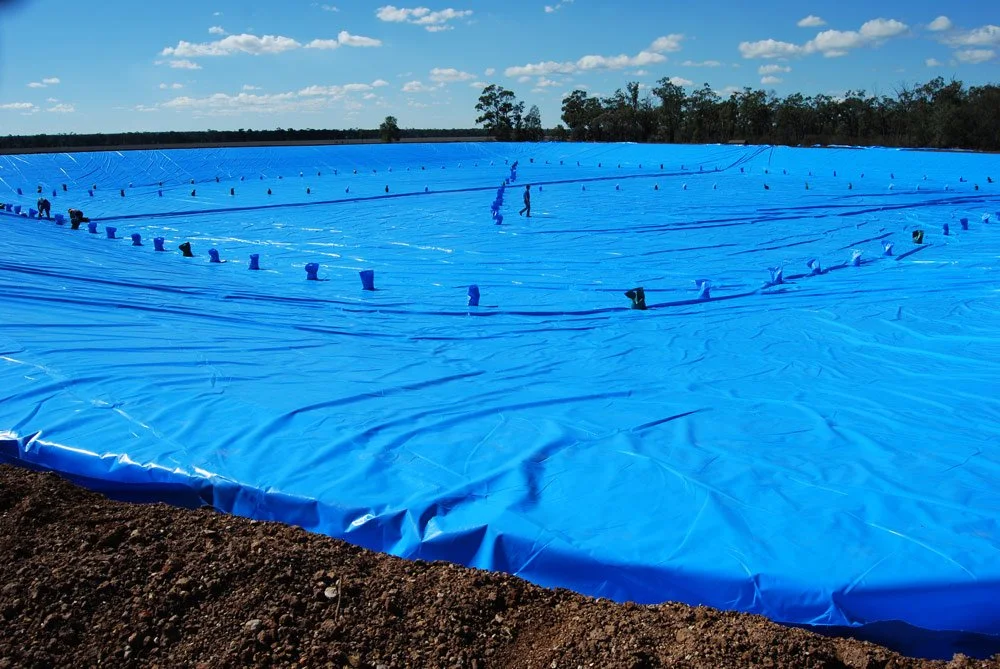
What a Dam Liner Actually Does
A liner creates a continuous barrier between stored water and the soil beneath. That barrier cuts seepage through sandy subgrades, reactive clays or cracked bases, and stabilises banks by reducing saturation. In practice you get:
Higher effective storage from the same footprint
Less top up pumping during dry periods
Firmer banks that hold shape after rain and stock traffic
For mixed operations, that stability improves watering points, reduces bogged approaches and keeps access clearer for trough lines.
Where Farms Lose Water & How Liners Stop It
Losses come from three places: the base, the batters and the perimeter seep. Lined bases seal the floor so water does not chase old root channels or shrinkage cracks. Wrapped batters stop capillary rise that weakens embankments. Anchored perimeter trenches prevent edge lift in gusty Toowoomba winds. Add a protective geotextile underlay and you shield the liner from stones or desiccation cracks that would otherwise punch through.
If evaporation is a focus, pair a ground liner with shade rafts or floating covers on smaller storages. You will save both seepage and surface loss without reshaping the dam.
Materials That Suit Darling Downs Conditions
Local climate swings from hot summers to cold windy fronts. Choose a membrane that handles UV, temperature and movement.
HDPE: tough and chemical resistant, ideal for larger storages. Needs professional welding but delivers long life
LLDPE: more flexible than HDPE, better on irregular bases or small dams with tight corners
PVC: easy to handle for smaller jobs and temporary storages. Needs careful UV protection
RPP or reinforced options: good where mechanical strength or frequent traffic at the waterline is expected
Ask for UV stabilised grades and a thickness matched to dam size, bank slope and expected livestock traffic.
Steps That Protect Your Investment
Great liners fail when the ground is not ready. A simple sequence keeps things on track:
Shape and de slime: trim batters, remove organics and smooth high points
Compact subgrade: aim for a firm surface that resists heel marks
Lay geotextile: protect against rock tips and seasonal movement
Place panels: avoid wrinkle traps and keep overlaps clean and dry
Weld and test: use wedge or extrusion welding with field testing
Anchor trench: bury edges at the crest so wind and waves cannot lift the liner
Protect trafficked zones: rock armour or ballast mats at entry points and trough pick ups
Documenting these steps gives you a record for insurers or future compliance checks.
Erosion Control: Stronger Banks & Cleaner Water
Saturated batters slump. Slumped batters throw sediment into the water then block pumps and troughs. By keeping water where it belongs, liners reduce soft zones that fail after storms or hoof impact. Add rock armour or vegetated swales at spillways to disperse overflow and you cut gully formation below the wall. The payoff is clearer water, steadier pump suction and fewer repairs after summer downpours.
Maintenance, Repairs & Lifespan
A lined dam is not set and forget, but it is simple to look after.
Walk the crest quarterly to spot lifted edges, animal damage or slip points
Keep stock off steep batters with rails or a fenced approach and a stable watering point
Remove branches and debris that could rub or puncture at the waterline
Patch small holes with compatible patches and hot air tools before they spread
With sound prep and basic inspections, quality liners deliver many seasons of service in Toowoomba’s changeable weather.
Cost vs Benefit — Where the Numbers Land
The value is in saved water and avoided earthworks. If seepage is costing a visible drop each week, a liner can recover thousands of litres from the same footprint. That means fewer diesel hours on the pump, fewer carted loads and more resilience when allocations tighten. Add the erosion savings and reduced silt removal, and the payback shortens again. For irrigators, steadier head pressure to filters and pivots is its own return.
Where Tarpaulins Fit on the Farm
While liners handle storages, heavy duty tarpaulins in Toowoomba keep day to day assets dry and clean:
Cover feed and hay: reduce spoilage from side rain and ground splash
Protect machinery: keep seeders, sprayers, pumps and generators ready after storms
Secure loads in transit: shield grain, fertiliser or equipment on the road
Temporary bunding or spill response: create quick containment around work areas
Field shade or water diversion: throw quick shade for yards or deflect run off from open trenches
Choose reinforced eyelets, UV stable fabrics and tie down kits that match your trailer or hardstand. A few well sized tarps can save more than their cost in a single wet week.
Practical Add Ons for a Reliable Water System
Liners are strongest alongside tidy plumbing and safe access:
Stable approaches: compacted gravel or mats at watering points stop hoof churn
Float valved troughs: keep draw consistent and reduce bank traffic
Suction strainers and screens: protect pumps from sediment and wildlife
Marked depths: simple staff gauges help you track real losses and plan top ups
Overflow control: rock armoured spillways keep outflows gentle and predictable
Each small improvement supports the liner by reducing damage, mud and turbulence.
How to Brief a Supplier
A clear brief speeds pricing and avoids redesign on site:
Storage size, wall heights and side slopes
Soil type and any rock or root zones
Livestock access points and vehicle crossings
Preferred material, thickness and underlay
Wind exposure and shelter at the crest
Any need for floating covers or shade on smaller tanks
Photos and rough sketches of the wall and spillway help the team land the right plan first time.
Contact Darling Downs Tarpaulins for Dam Liners and Tarps in Toowoomba
Ready to stop seepage and protect gear between storms? We at Darling Downs Tarpaulins supply dam liners in Toowoomba. We also stock tough tarpaulins farmers use to cover feed, shield machinery and secure loads in transit. Visit https://www.ddt.com.au/ to request a measure and quote. Share dam dimensions, soil notes and access and we will map a liner and tarp plan that keeps your water where it belongs and your assets protected all year.