
How Solar Power and Water Self-Sufficiency Shape the Way We Manufacture
At Darling Downs Tarpaulins, sustainability is not something we talk about for the sake of appearances. It is built into the way we run our facility, day in and day out. Two of the clearest examples of this are our use of solar power and our self-sufficient water supply, both of which were deliberate decisions made when we built our purpose-built Toowoomba facility, completed in 2024.
"Sustainability is everyone's responsibility," says Michael, Managing Director. "When designing our purpose-built facility, sustainability was always at the forefront of our decisions."
When we built our current facility, going solar was not an afterthought. It was part of the build strategy from the outset. Today, our solar system produces enough power to cover most of our daily energy use, effectively reducing our dependence on the grid and our carbon footprint in the process.
There was also a practical side to the decision. A solar system of this scale keeps the facility running efficiently all year round, which matters when you are operating large-format fabrication equipment day after day. But for DDT, the environmental reasoning came first. As our team puts it, the cost benefit is real, but it is not the reason we did it.
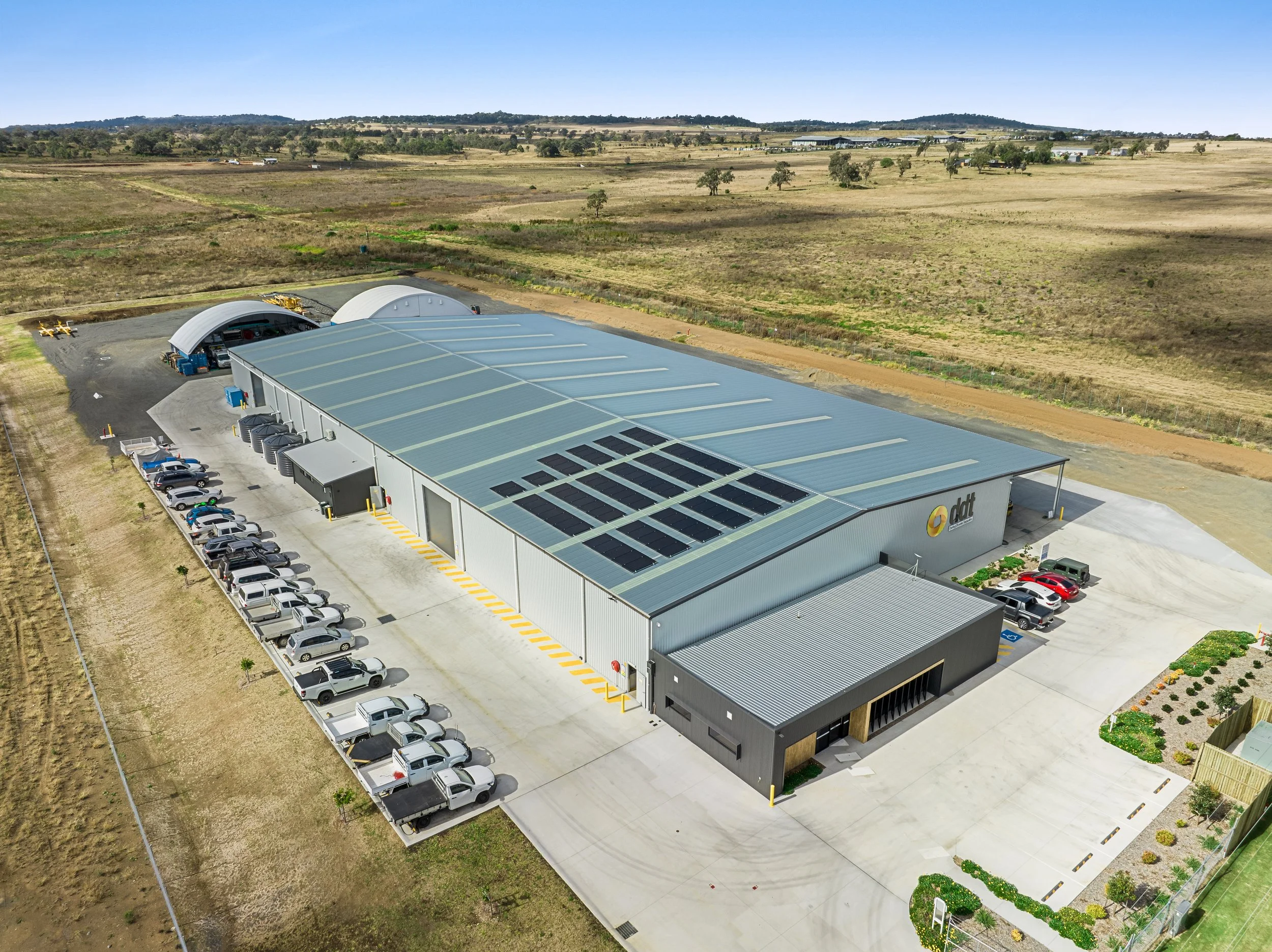
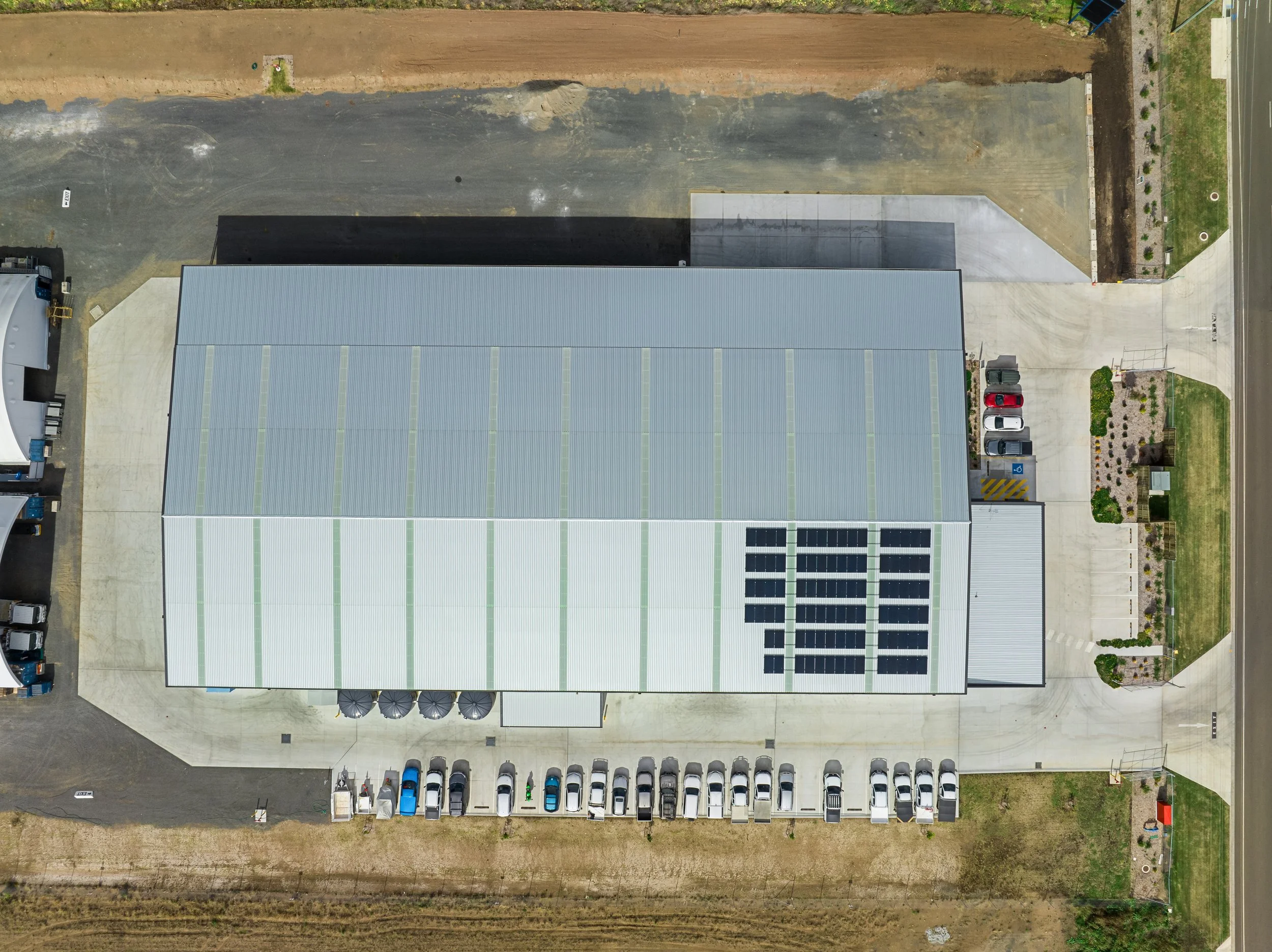
Our facility's main source of water storage is rainwater, collected and held on site. This self-sufficiency was another deliberate choice built into the design of the facility, not a system added on later.
Toowoomba and the surrounding region have experienced their share of drought over the years, and we understand the pressures that places on the wider agricultural community we serve. Relying on rainwater rather than drawing on already stretched local resources reflects an awareness of those pressures, and a belief that our own operations should be held to the same standard we expect our products to support.
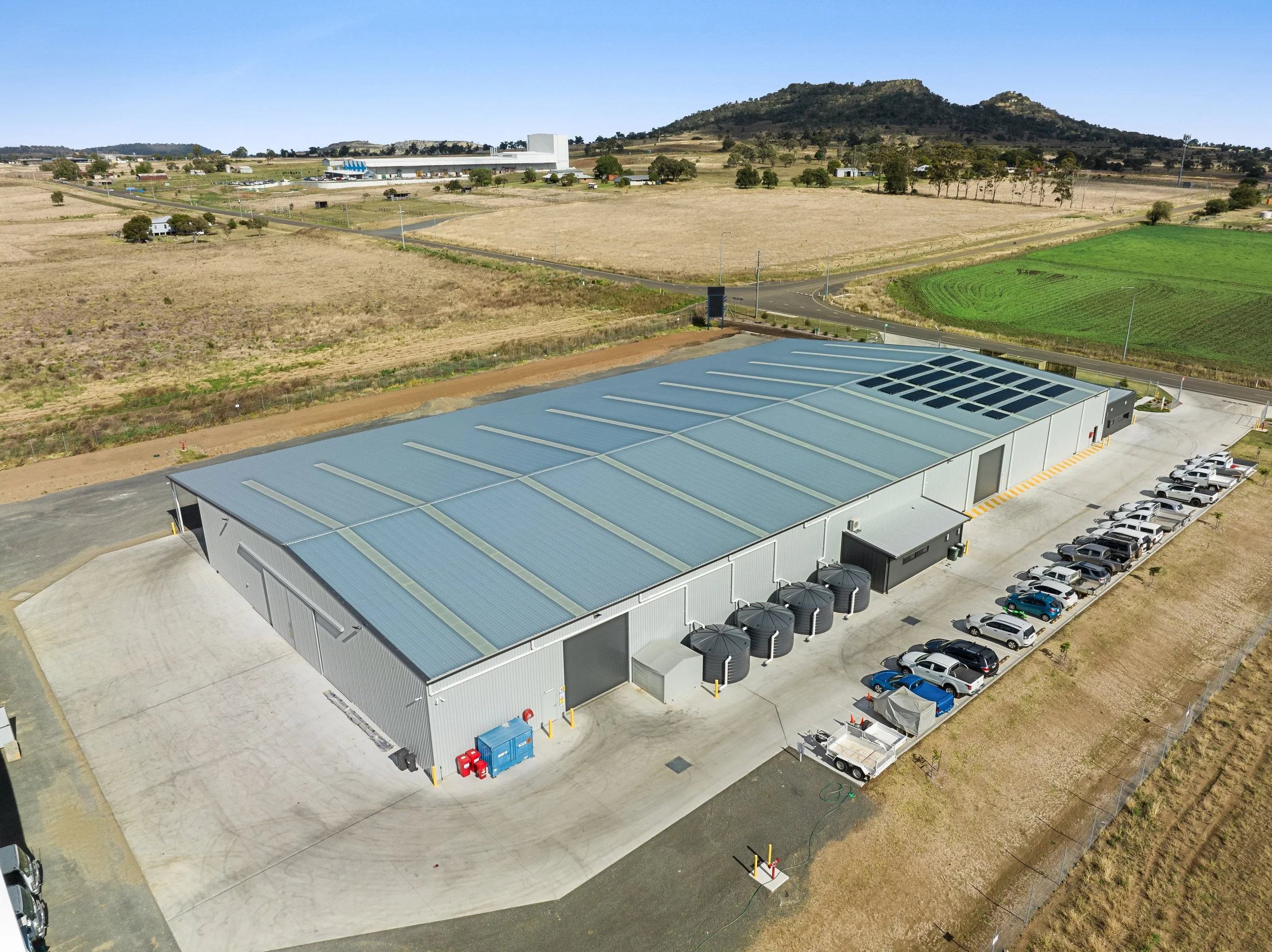
These decisions connect directly to the products we manufacture. Many of our customers, particularly in agriculture and horticulture, rely on us for solutions that help them manage resources more effectively, whether that is a dam and pond liner conserving water, a greenhouse cover supporting controlled environment agriculture, or a grain bunker tarpaulin protecting a harvest. Having lived through drought ourselves, and understanding the struggles of the growing community around us, it would be inconsistent to ask our customers to think carefully about sustainability while ignoring it in our own operations.
We also recycle all cardboard cores generated through our manufacturing processes, and our closed-loop agricultural plastic recycling programme, where we take back grain bunker tarpaulins at end of life for full recycling, remains one of our proudest achievements. Solar power and rainwater self-sufficiency sit alongside these initiatives as part of a broader, deliberate approach to reducing waste and environmental impact across every part of our business.
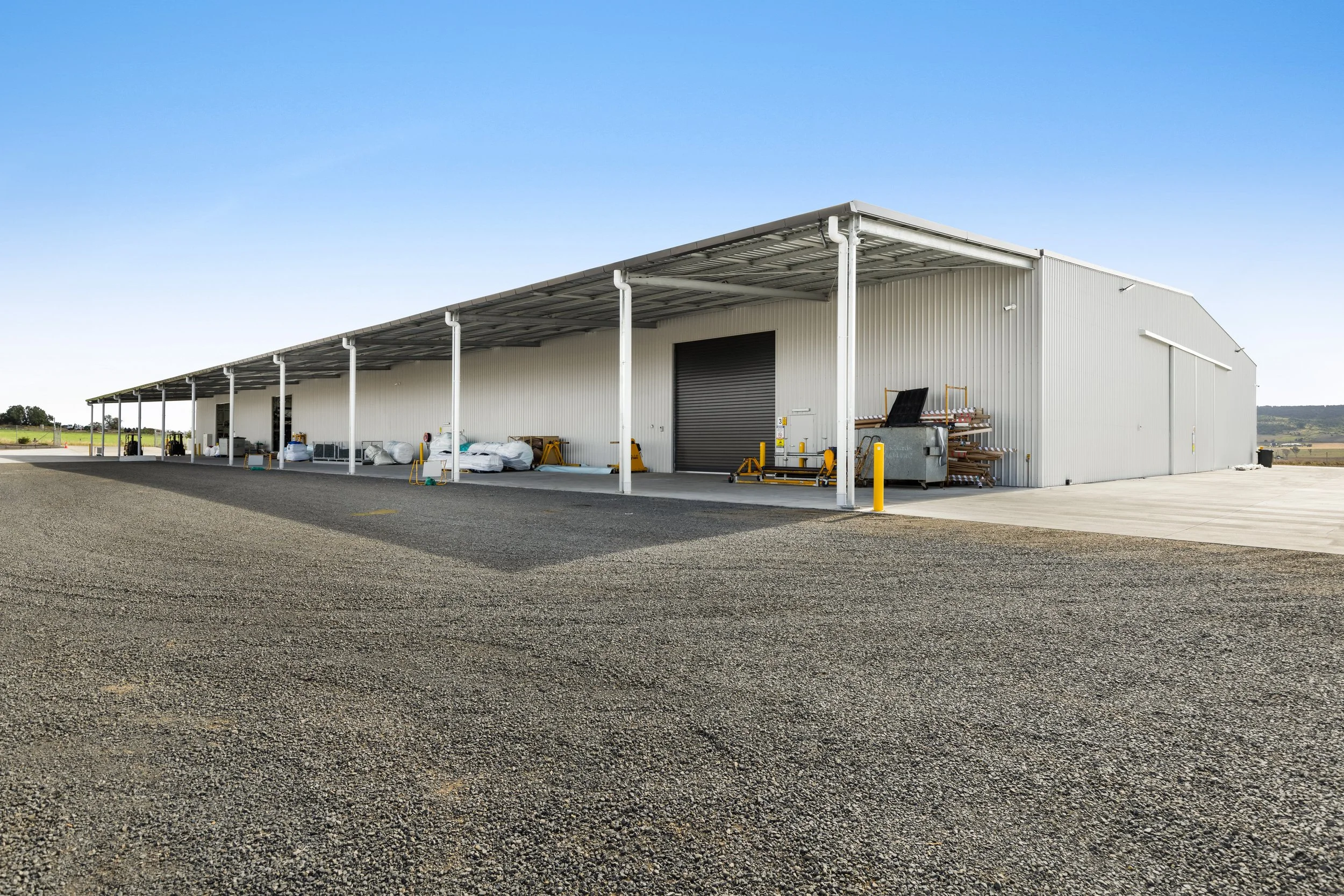
None of this happened by accident. As a family-run business that has operated since 1984, we take a long-term view of everything we do, including how we manage our resources. When we had the opportunity to build a facility from the ground up in 2024, we built it with sustainability at the forefront, not as an add-on once the doors were open.
Sustainability is everyone's responsibility, and at Darling Downs Tarpaulins, that belief shapes the way we manufacture every single day.