
How to Choose the Right Grain Bunker Tarp for Your Harvest
Harvest is fast approaching across the Darling Downs, and for many growers that means one thing: it's time to get grain storage sorted before the trucks start rolling. A bunker tarp might seem like a simple piece of kit, but the wrong choice can cost you a season's worth of grain to moisture, pests, or wind damage. Here's what to look for before you buy, and how we approach every bunker tarp that leaves our Toowoomba facility.
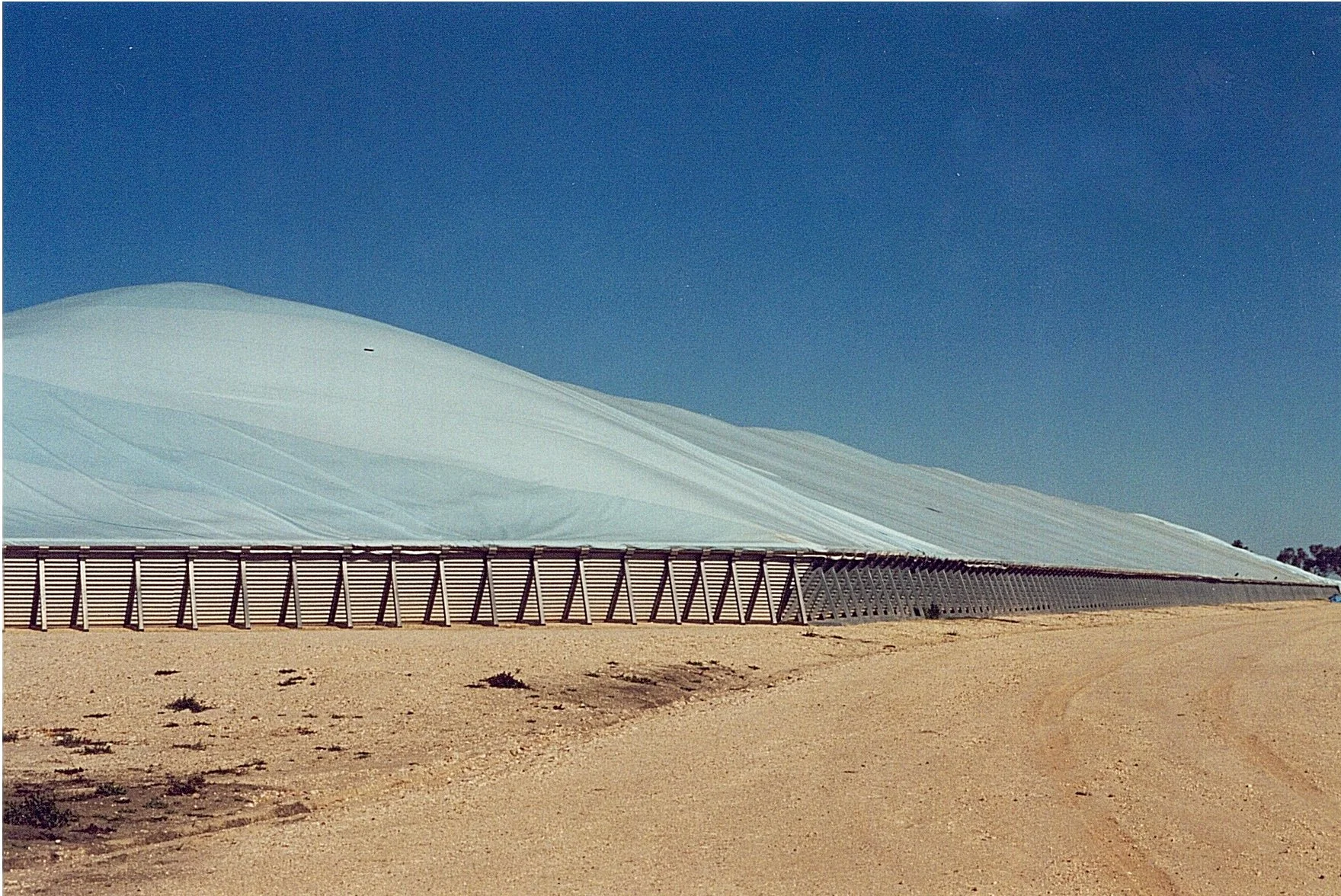
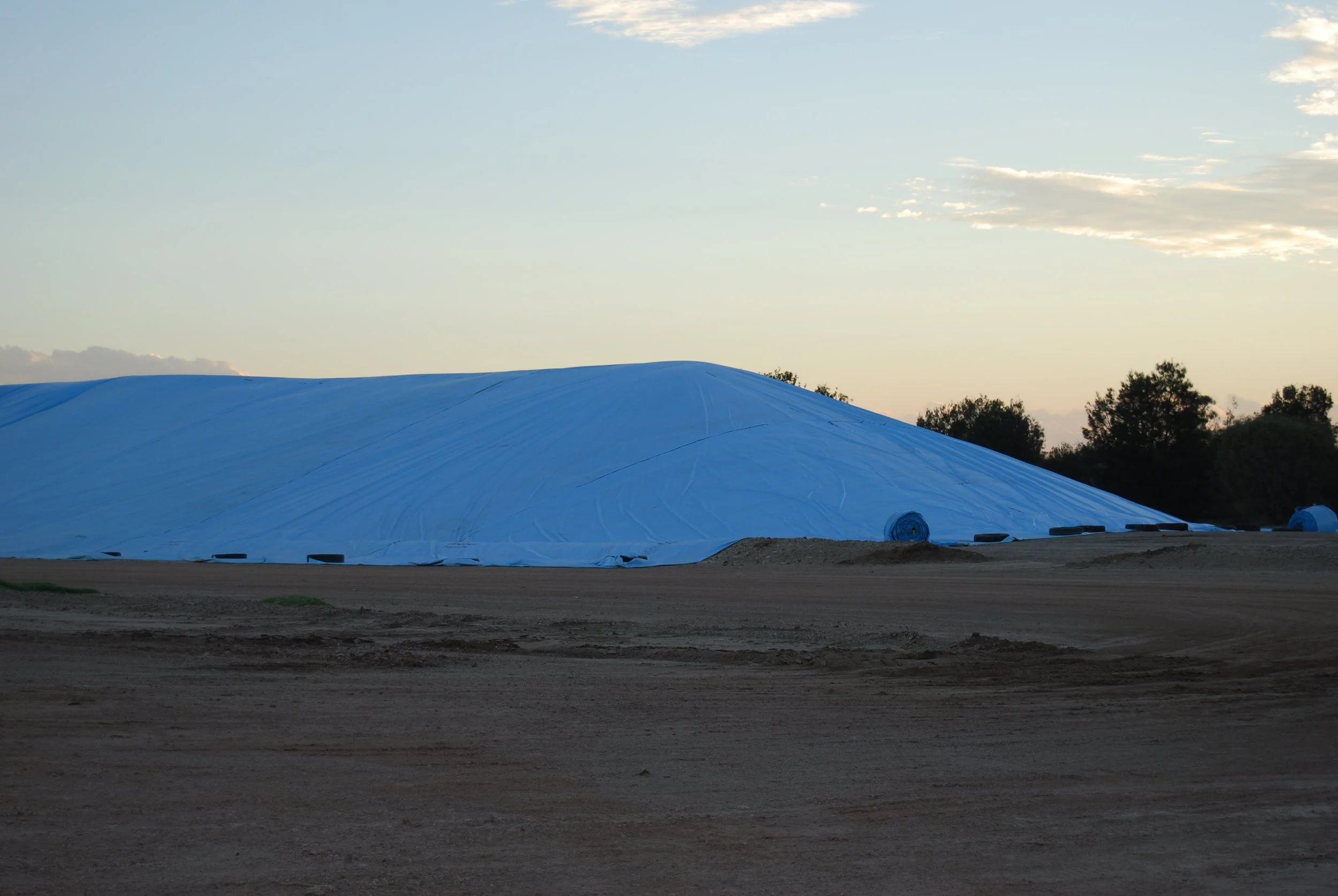
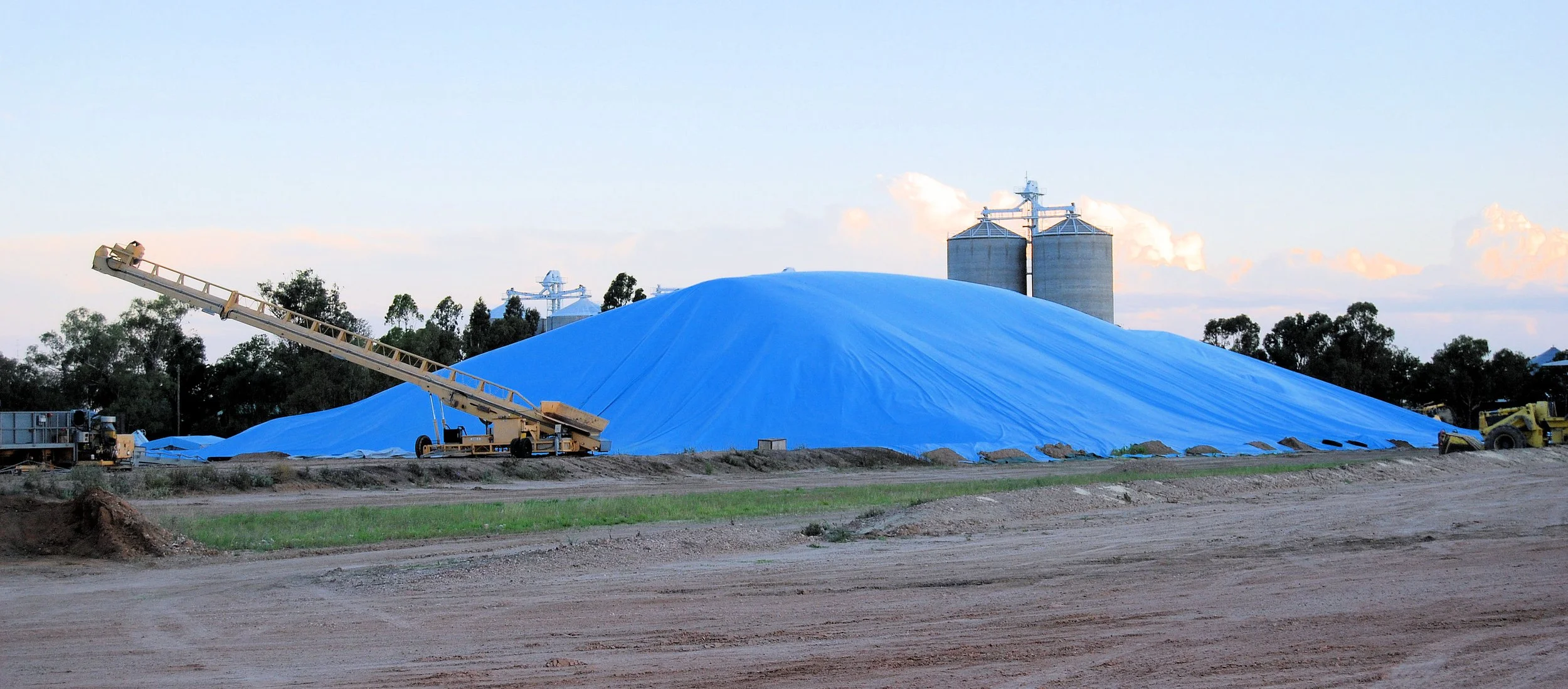
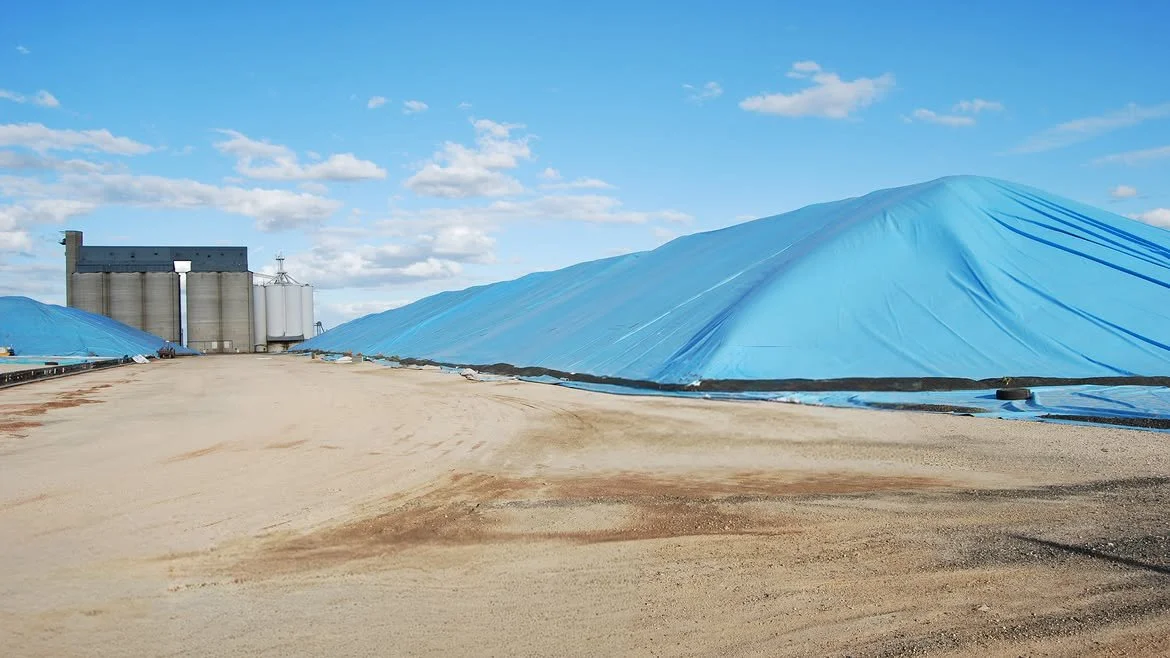
A grain bunker is only as good as the cover protecting it. Once grain is in the bunker, it's vulnerable to rain penetration, condensation, vermin, and UV breakdown of the tarp itself. A poorly fitted or undersized tarp can let moisture in at the seams, and a tarp made from lower-grade material can degrade quickly under the harsh Australian sun, leaving you exposed right when you need protection most.
For growers, this isn't just an inconvenience. Spoiled grain means lost income, and a failed tarp partway through storage often means an emergency fix under pressure, usually at the worst possible time. Getting the right tarp before harvest, rather than reacting once a problem shows up, is the difference between a smooth storage season and a costly one.
What to look for in a bunker tarp
Material quality and weather resistance. Not all tarpaulin material is created equal. Look for a heavy-duty, UV-stabilised fabric that's built to withstand extended exposure to sun, wind, and rain without breaking down. Cheaper materials might save money upfront, but they tend to become brittle and prone to tearing well before the storage season is over.
Precise sizing and fit. A bunker tarp needs to fit the bunker it's covering, not just be close enough. Gaps, overhangs, or a tarp that's been stretched to cover a space it wasn't designed for all create weak points where water and pests can get in. Every bunker is a little different, which is why measuring and fabricating to the specific site, rather than relying on standard sizes, matters.
Strong seams and fixing points. The seams and edges of a tarp take the most punishment, especially in high wind. Reinforced seams and well-placed fixing points keep the tarp secure and reduce the risk of it lifting, flapping, or tearing loose during a storm.
A genuine warranty. A tarp is a significant investment, and it should be backed by a real workmanship warranty, not just a manufacturer's disclaimer. If something isn't right, you want to know the business behind the product will stand by it.
Where and how it's made. Supply chain matters more than most growers realise. A tarp made from imported materials with limited traceability can be a gamble on quality and consistency. Locally made products, manufactured with full visibility over materials and process, tend to hold up better and are easier to have serviced or repaired if needed.
"Being part of the closed-loop recycling programme means a bunker tarp's job doesn't end when it comes off the stack. We take it back, it gets recycled properly, and that's one less tarp in landfill. It's a small part of the process, but it matters to us and it matters to a lot of our growers too."
Michael Ryan
We've been fabricating tarpaulins for the agricultural sector since 1984, and grain bunker covers have been part of that work for most of that time. Every bunker tarp we produce is measured and fabricated for the specific site it's protecting, not pulled from a generic size range. That precision is backed by a formal, internal quality assurance process that's been refined over more than three decades, covering measurement, material specification, and fit verification before anything leaves our purpose-built Toowoomba facility.
We use premium Australian materials wherever possible, and every product is backed by workmanship assurance and the strongest fabric warranties available in the industry. That means when your tarp is protecting a season's worth of grain, you're not relying on guesswork.
We're also proud to be part of a national closed-loop agricultural plastic recycling programme, taking back grain bunker tarpaulins at the end of their working life for full recycling.
It's one of the reasons we work exclusively with Australian manufacturers, because it gives us full traceability through the supply chain and lets us close the loop properly rather than sending old tarps to landfill. For growers who care about sustainable farming practices as much as protecting their yield, that matters.
The lead-up to harvest is when demand for bunker tarps peaks across the region, and it's also when supply gets tightest. Ordering early gives you the best chance of having your tarp measured, fabricated, and delivered before the season turns, rather than scrambling once the header is already in the paddock. If you're planning your storage now, this is the time to get a measure-up booked in.
If you're weighing up your options for this season's grain storage, our team can help you get it right the first time. We'll measure your bunker, talk through material options, and fabricate a tarp built to handle whatever this harvest throws at it. Get in touch with the DDT team today to book a measure-up or request a quote before the pre-harvest rush hits.